
It took partners to save a pride
On the morning of September 28th, 2025, a distress call came through: six lions in the Oloisukut Conservancy had been found in critical condition, suspected victims of poisoning.
At that moment, our team from The Pangolin Project was already in the field tracking one of our tagged pangolins. The plan for the day changed in an instant.
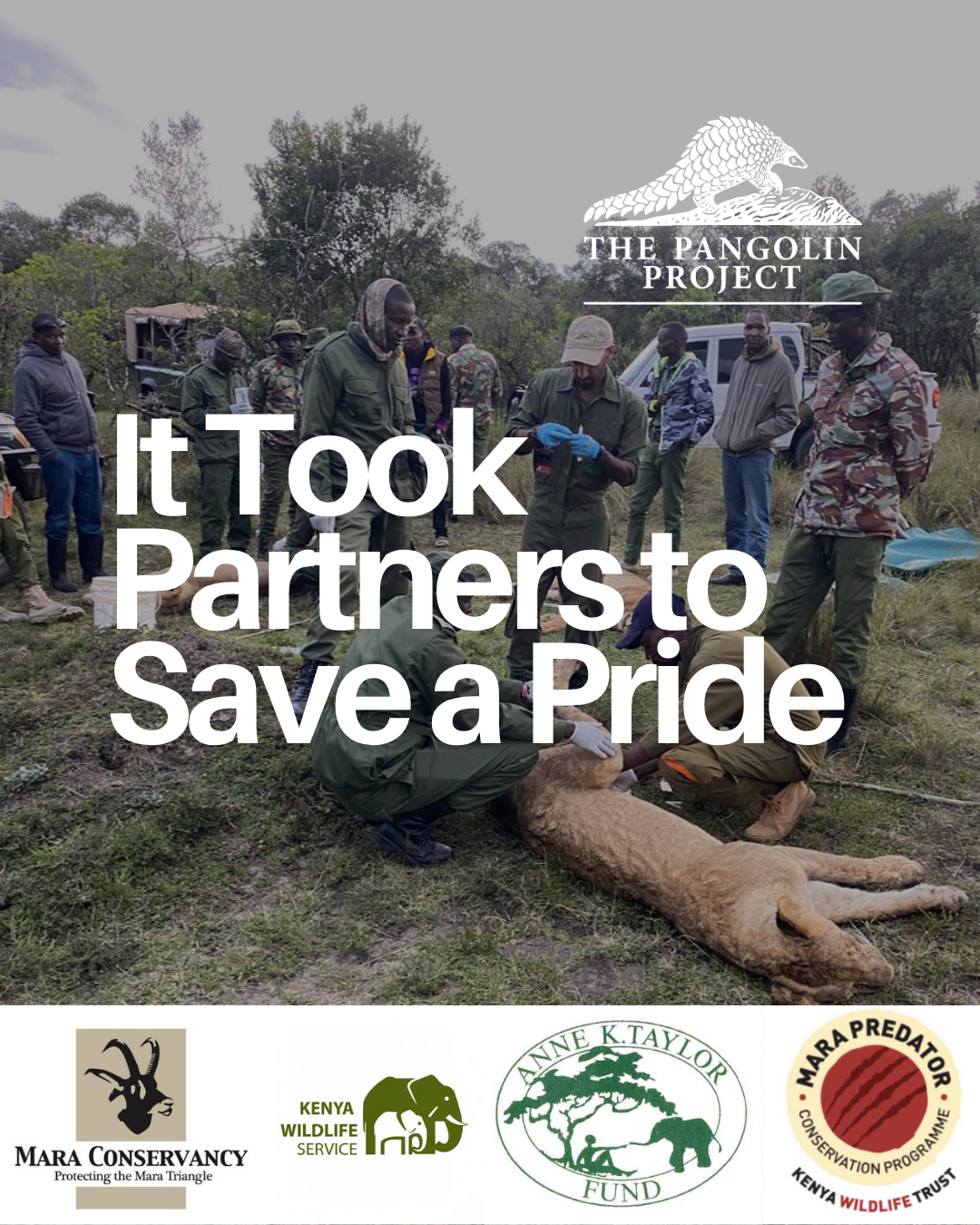
What followed was not just a rescue operation- it was a testament to the power of partnership in conservation. Together with the Mara Conservancy Veterinary Unit, Kenya Wildlife Service (KWS), the Anne Kent Taylor Foundation, and the Mara Predator Conservation Programme, we launched a multi-phase emergency response to save an entire pride.
The First 48 Hours: Crisis Response in the Wild
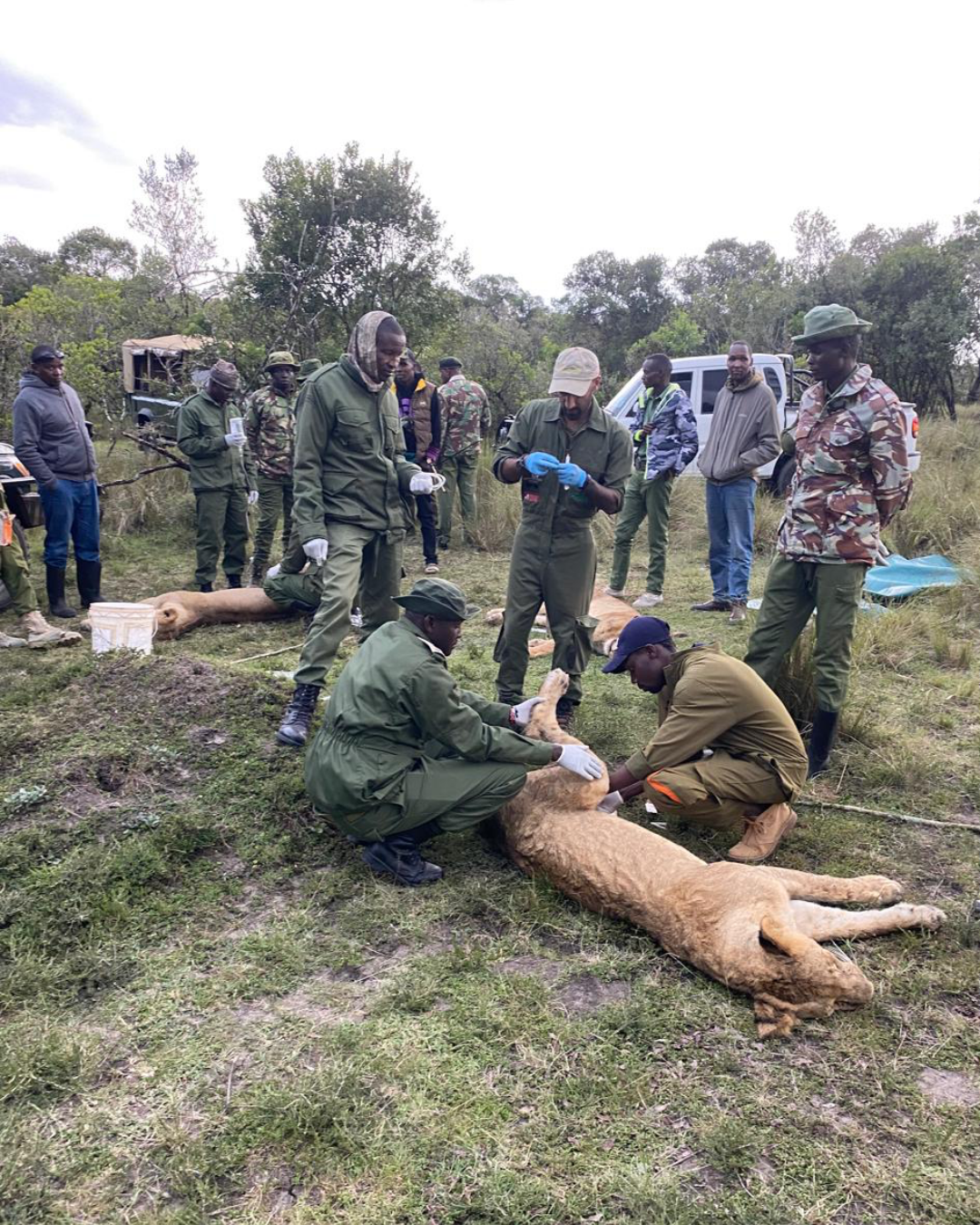
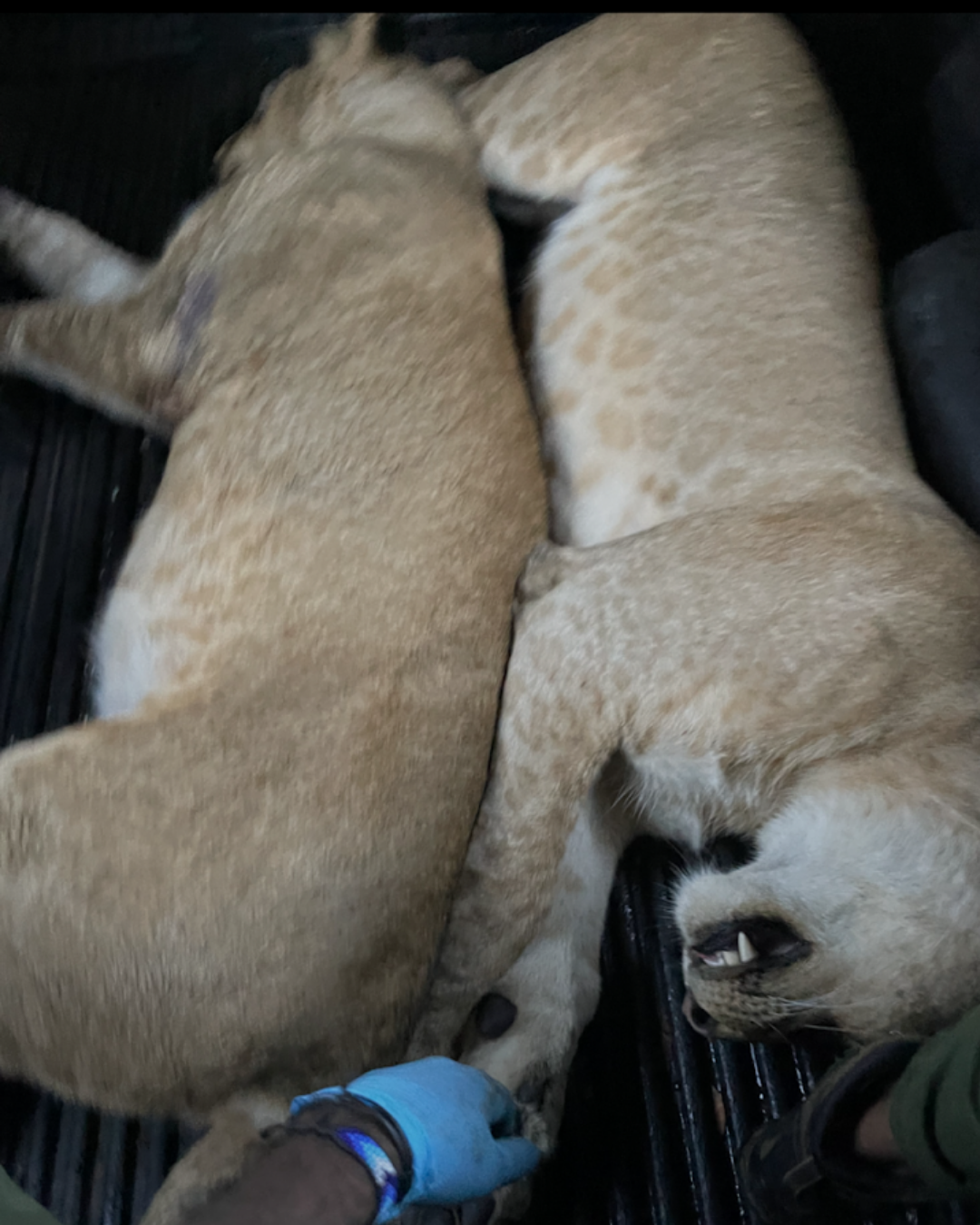
Within hours, all six lions were located - scattered but alive, showing signs of acute poisoning. Field treatment began immediately. Three were stabilised onsite and monitored overnight. The other three, in more critical condition, were transported to a secure rehabilitation enclosure in the Mara Triangle.
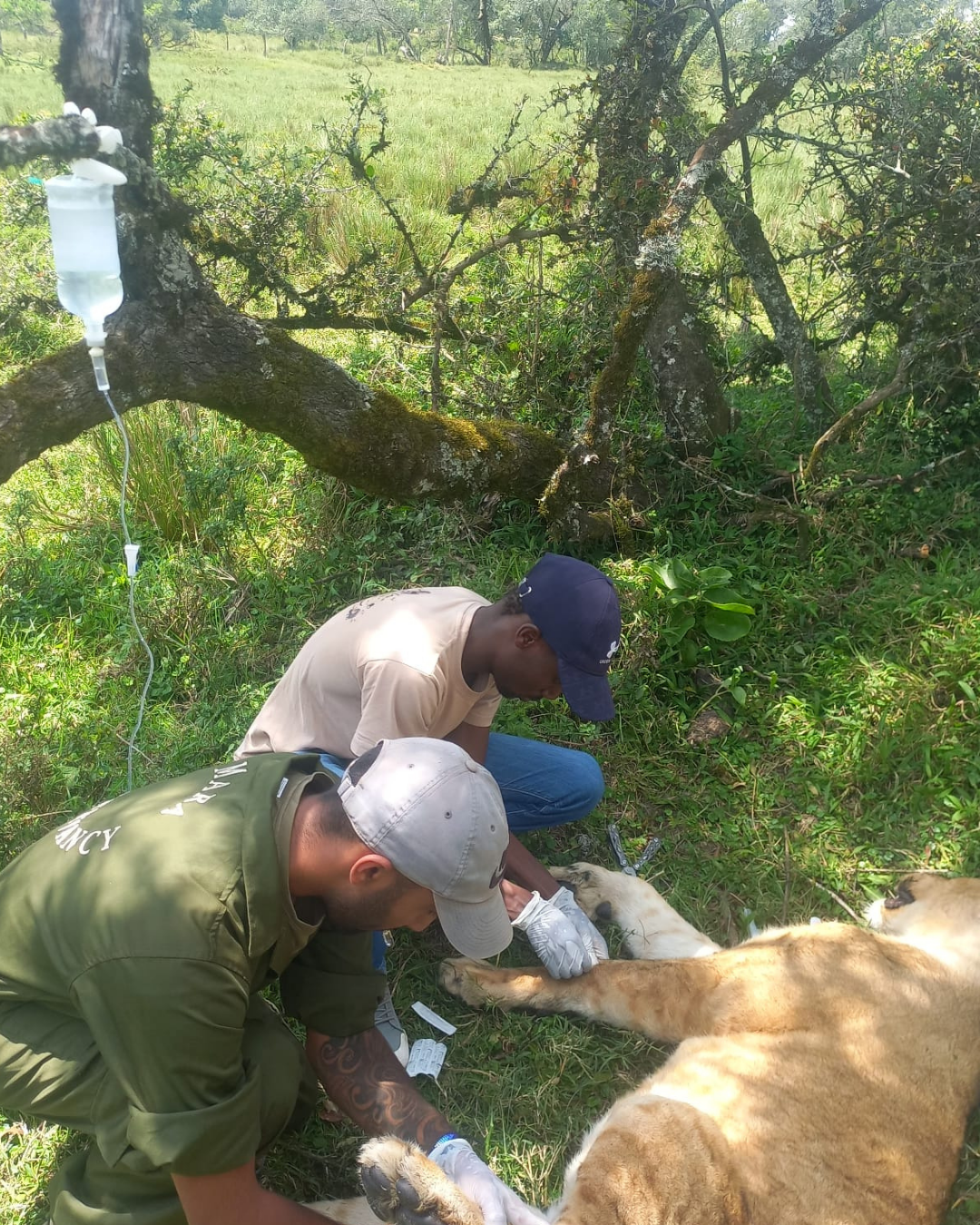
There, they received round-the-clock care: IV fluids, targeted medications, monitoring via CCTV, and regular vet assessments. One lioness was even exhibiting signs of vision loss, but day by day, she regained strength, balance, and eventually, sight.
The Road to Recovery: Collaboration at Its Best
Over the following two weeks, the lions’ progress was carefully tracked. Their strength returned. Their appetite came back. And one by one, they stood, walked, and eventually roamed again.
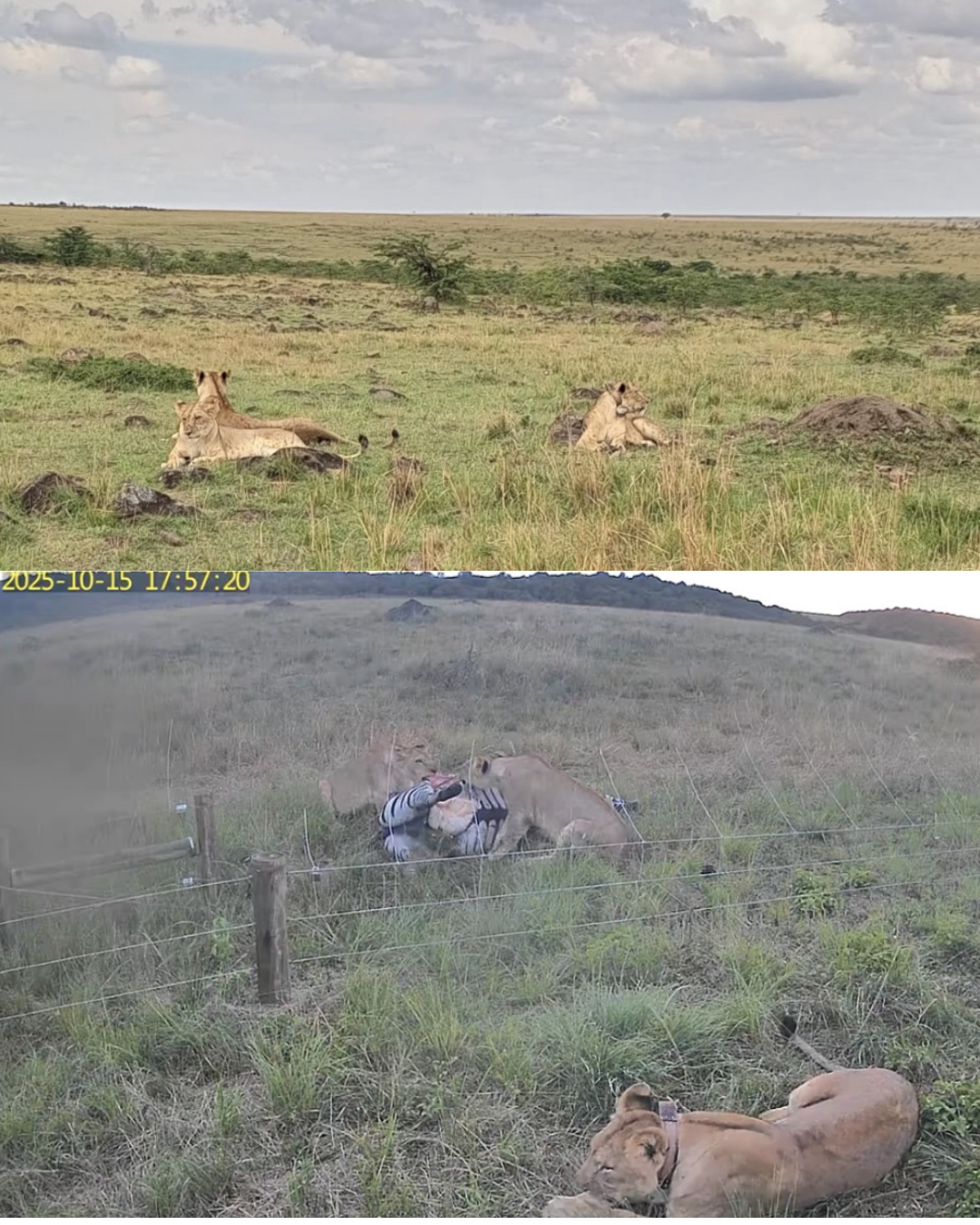
On October 10th, a milestone was reached: one of the strongest lionesses was fitted with a GPS collar provided by the Mara Predator Conservation Programme to allow for long-term monitoring after release.
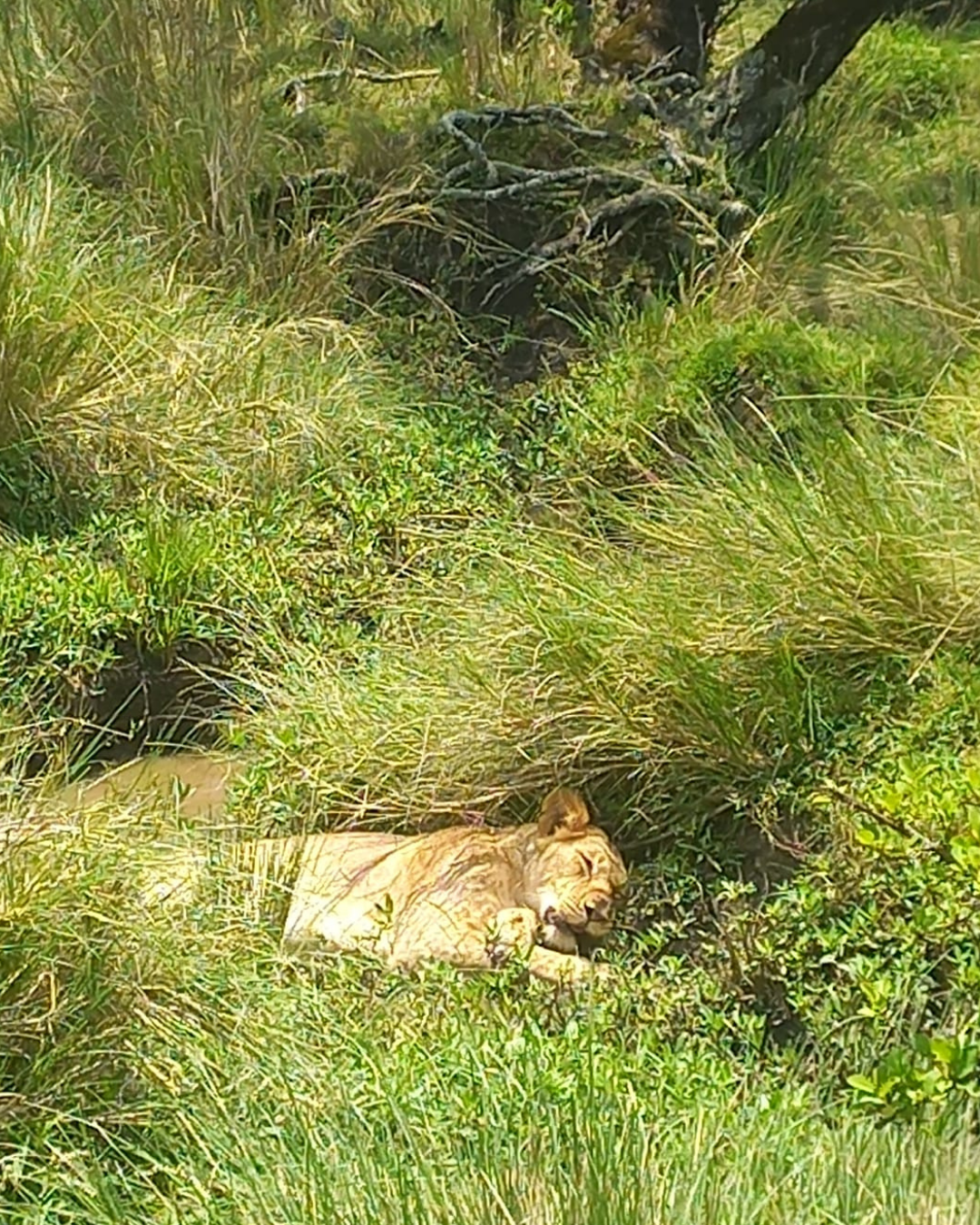
Five days later, on October 15th, the enclosure gates were opened. The lions exited calmly—drawn to a zebra carcass placed just outside- and walked into freedom.
The Final Chapter: Reintegration and Hope
Over the next two weeks, the GPS collar confirmed what we’d hoped: the lions were healthy, moving normally, and—most importantly - reunited with their pride back in Oloisukut. They had travelled over 119 km, retracing their steps home.
Not a single lion was lost.
Why This Matters
This story isn’t just about one pride. It’s about what’s possible when conservation organisations act as one.
From the first call to final release, this operation required every partner to step into their strength:
KWS provided national veterinary support and oversight.
Mara Conservancy’s Vet Unit led field intervention and transport.
Anne Kent Taylor Foundation offered logistical and technical support.
The Mara Predator Conservation Programme equipped the collaring and post-release tracking.
The Pangolin Project, already present on the ground, provided real-time monitoring support and coordinated early response.
“This coordinated effort stands as a testament to the strength of multi-agency collaboration in wildlife conservation and veterinary emergency response within the Mara ecosystem.”
Our Role in a Bigger Story
At The Pangolin Project, our daily focus is the Giant Ground Pangolin and the forest habitat it calls home. But the strength of any ecosystem lies in its web of life. Pangolins, lions, elephants, giraffes- each species relies on safe habitat, quick response to threats, and the trust built between people and organisations.
When crises strike, it’s that network of trust that determines whether lives are lost or saved.
This time, we were ready. Together.
This is coexistence in action.
This is the future of conservation.
And this is why partnerships matter.
