
Notes from the Field #1: Night Patrols: The Frontline of Survival. Protecting Pangolins in Real Time.
“It’s not just about monitoring. It’s about safeguarding.”
Take a listen to our first Notes from the Field Audiocast to keep you updated from what’s happening on the ground with the Pangolin Project!
On the ground in Nyekweri, conservation doesn’t wait.
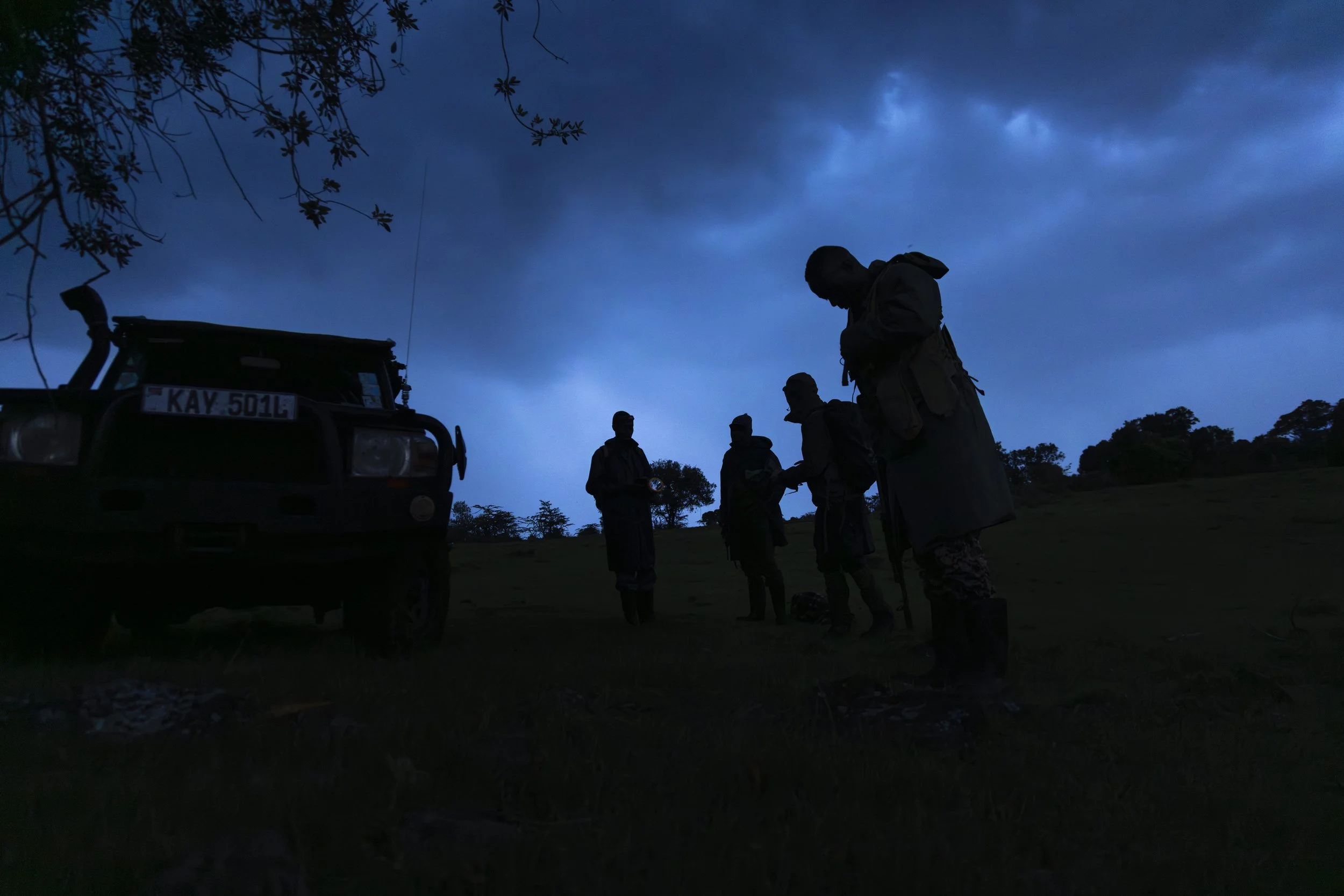
Every night, teams head out into the forest- not just to observe one of the world’s rarest mammals, but to actively keep it alive.
This is the reality of protecting the last known population of Giant Ground Pangolins in Kenya.
The Bigger Picture: Building a Safe Future
The Pangolin Project is working alongside community conservancies to secure a 10,500-hectare sanctuary- a safe, connected landscape where pangolins can move freely and thrive.
So far:
Over 6,500 hectares secured
200+ landowners in conservation lease agreements
This is real progress. Tangible. Growing.
But here’s the challenge:
“Whilst we are working towards that goal… we still have to safeguard the pangolins, every single day”
Because pangolins don’t stay within boundaries.
The Challenge: A Landscape That Isn’t Yet Safe
Nyekweri is a mosaic of land use - conservation areas sit alongside agriculture and livestock farming. And with that comes one of the greatest threats to pangolins:
Electric fences
Installed to protect crops and livestock, these fences are deadly to pangolins.
“Giant pangolins do not know which land is leased and which is not”
They move instinctively- between safe zones and high-risk areas. And sometimes, that movement is fatal. Even with habitat being secured, the reality is stark:
Pangolins still roam beyond protected land
New fences are being built every day
Risk is constantly shifting
This is why conservation here cannot be passive.
Credit: Georgina Goodwin
The Response: Every Pangolin Counts
To meet this challenge, the team has launched an intensive, real-time protection strategy through The Pangolin Protection Units:
Tagging every pangolin
Tracking them day and night
Intervening before danger becomes death
This is the Every. Pangolin. Counts. programme in action. We want to tag every single giant ground pangolin so that we are able to keep them safe. But tagging is only the beginning.
From Data to Protection: What It Really Takes
Finding a pangolin is not easy.
They are:
Nocturnal
Solitary
Elusive
Seeing one on a camera trap is one thing. To put a tag on is finding them in real time… you have to be there. So the team adapted.
New tools. New approach.
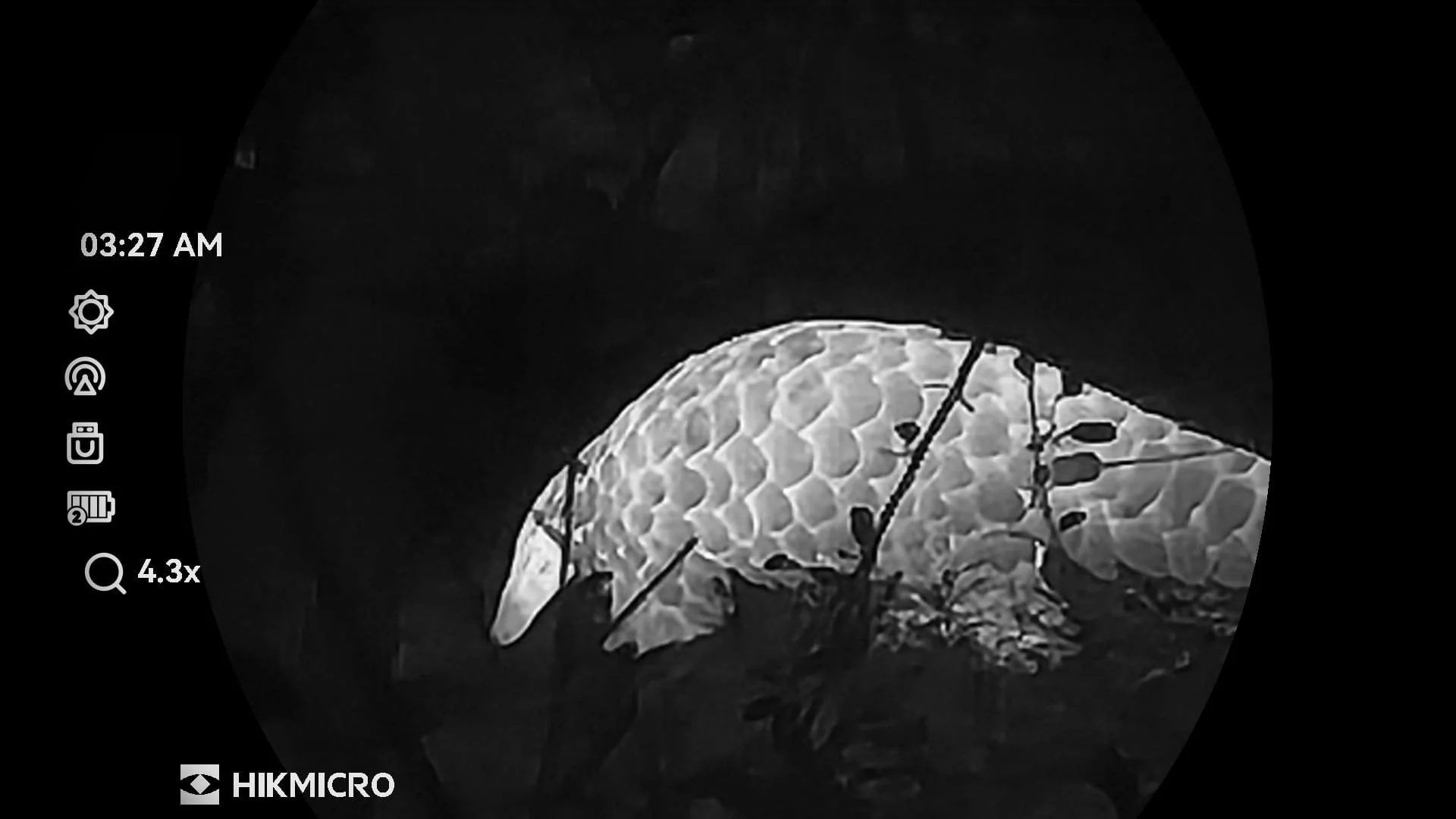
Thermal binoculars to detect movement in the dark
Camera traps repositioned to focus on burrows
GPS and VHF tags for real-time tracking
And something unexpected happened:
“Pangolins lead us to other pangolins”
Each discovery opens the door to another. Each data point builds a bigger picture.
Where Technology Meets Human Commitment
With GPS tracking and platforms like EarthRanger, the team can now:
Map pangolin movements
Overlay them with fence locations
Identify high-risk zones in real time
“We now have a bird’s eye view… where the pangolin is, and how close it is to danger”
But here’s the truth: Technology alone is not enough.
Night Patrols: The Frontline of Survival
Every night:
6–8 rangers minimum are out in the field
Sometimes up to 15 people, depending on risk
Watching. Waiting. Responding.
Because when a pangolin approaches a live fence: Manpower is the only way to protect these pangolins… You need both. You need all of it.
In one moment, the team watched through thermal scopes as a pangolin moved towards a deadly fence. They positioned themselves between the animal and the threat.
And then…. Rain fell. Smoke drifted. The pangolin turned away.
“In that moment, you realise how important being there really is.”
What We’re Learning (and Why It Matters)
In just weeks, this work is reshaping what we know about Giant Ground Pangolins:
Adult males roam across large territories
Multiple females exist within those ranges
Pangolins are actively leading researchers to new individuals
Breeding behaviour is occurring within Nyekweri
Individuals thought “lost” are reappearing
There’s almost no scientific information about them… and now we are learning so much. This isn’t just protection. It’s discovery. And that knowledge is critical to long-term survival.
Adapting in Real Time
The goal isn’t to patrol forever. It’s to make the landscape safe enough that we don’t have to.
That means:
De-electrifying fences so pangolins can pass safely
Blocking dangerous areas where risk can’t be reduced
Creating contiguous safe zones through conservation leases
And it’s already working:
“A tagged pangolin went through a de-electrified fence… stayed for hours… and came out safely.”
That’s what progress looks like.
Quiet. Measurable. Real.
Why This Work Matters Right Now
This is a race against time.
Because pangolins are not just another species.
They are the catalyst. If we lose the pangolins, we lose the species that is driving the protection of this entire ecosystem.
They are:
Unlocking conservation funding
Creating jobs
Driving land protection
Anchoring the future of Nyekweri
And this landscape?
It’s not just important- it’s irreplaceable. A unique forest ecosystem, home to species found nowhere else in the Mara
The Reality of Conservation
This is what frontline conservation looks like:
Long nights
Constant adaptation
Data and instinct working together
Technology and people side by side
It is not simple.
It is not static.
But it is working.
A Two-Part Mission
Every day, the team balances two realities:
Build the future
→ Secure 10,500 hectares of safe habitatProtect the present
→ Keep every remaining pangolin alive
“We’re not starting at zero… but we’re not finished either”
Looking Ahead
This is just the beginning of Tails from the Field.
A window into:
The decisions
The challenges
The people
And the moments that define conservation on the ground
Because behind every data point…
There’s a team.
A landscape.
And a species fighting to survive.
